Choose East Liberty top wildlife removal for Expert Wildlife Services
Choose East Liberty top wildlife removal for Expert Wildlife Services
Blog Article
Expert Wildlife Management: Protect Your Property and Belongings
Professional wildlife removal solutions are vital for homeowners experiencing possible injury from animal intrusions. These incursions can produce considerable home damage and health hazards. Understanding the importance of handling animal concerns is imperative. Learning the red flags and understanding when to contact professional services can create lasting results. But what are the most typical animal intruders, and how can one effectively shield against them? The results may shock you.
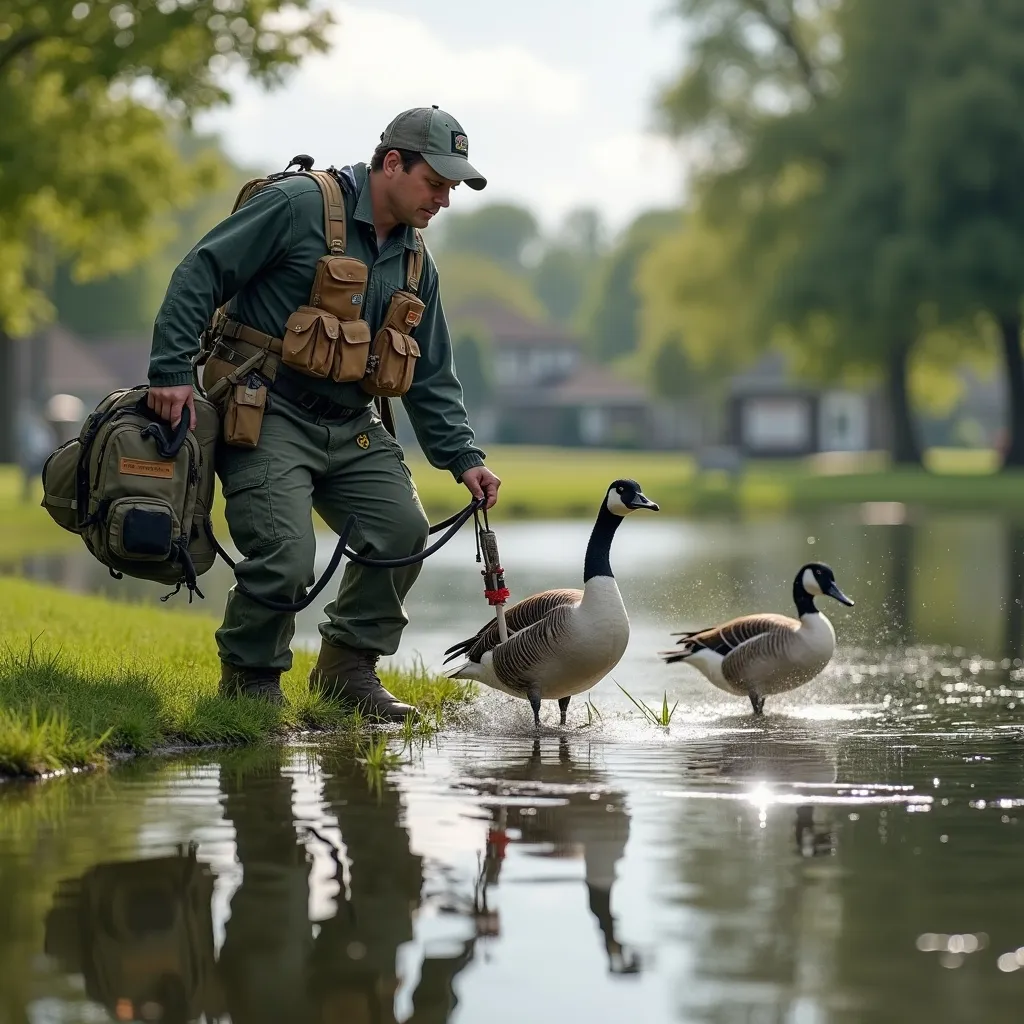
The Necessity of Responding Rapidly to Wildlife Intrusions
Wildlife intrusions can rapidly intensify, resulting in substantial damage and health risks. When animals invade residential areas, they can damage structural integrity, nibble through wiring, and contaminate food sources. Furthermore, the presence of wildlife can introduce diseases, creating serious health threats to both humans and pets. Quick action is vital to address these risks and forestall further complications.
Overlooking the concern could result in expensive repairs and extensive clean-up efforts. Moreover, some organisms are able to reproduce rapidly, increasing the population and worsening the problem. Swift intervention not only safeguards your home but also guarantees a safer living environment.
Engaging expert wildlife control can deliver practical remedies designed for unique creature difficulties. Prompt action is necessary to restore peace of mind and safeguard homes from the unpredictable character of animal invasions. Ultimately, swift response measures can markedly diminish the potential for lasting damage and health risks linked to these incursions.
Symptoms That You Own a Wildlife Problem
How can an individual figure out if a wildlife issue is present in the surrounding area? Various indicators can suggest the presence of unwelcome animals. Homeowners may detect peculiar sounds, including clawing or rustling sounds, particularly during nighttime. Moreover, droppings or tracks may surface on the property, showing the kind of animals present. Deterioration to insulation, wires, or wooden structures can likewise suggest an invasion, as many creatures hunt for shelter in upper spaces or basement areas.
A further sign includes chewed food packaging or overturned garbage, indicating scavenging behavior. Moreover, openings or tunnels located near the base may reveal access points for pests. Unexplained smell, frequently linked with nesting or waste, can be a significant warning. Recognizing these signs in advance is important for effective management and protection, helping ensure that homeowners can take action appropriately before the issue worsens.
Key Merits of Professional Wildlife Removal Services
Hiring professional wildlife removal services provides numerous advantages for homeowners dealing with unwanted animal intrusions. Above all, experts bring specialized knowledge and expertise, guaranteeing safe and effective removal of wildlife without causing harm to the animals or the property. These professionals employ sophisticated methods and tools, which can address complex situations that homeowners might not be equipped to handle.
Additionally, professional services frequently deliver detailed examinations to pinpoint potential entry points, contributing to the prevention of upcoming pest problems. This forward-thinking method not only eases immediate concerns but also protects the home for years to come. Furthermore, many wildlife removal companies extend coverage plans or promises, offering homeowners peace of mind.
Lastly, turning to professionals reduces the threat of injury from wild animal interactions, providing a safer space for families and companions. Overall, choosing professional wildlife removal can reduce time, stress, and likely property damage.
Finding Prevalent Beast Invaders in Your Home
Homeowners often face various types of wildlife that can invade their living spaces, each creating unique challenges. Typical invaders include raccoons, squirrels, and rodents, which can cause damage if not handled promptly. Raccoons are famous for pillaging attics and basements, attracted by food sources or shelter. Squirrels often settle in roofs or eaves, causing potential structural damage. Rodents, such as mice and rats, can penetrate homes in search of food, leaving behind droppings and contaminating living areas.
Furthermore, avians may enter through uncovered vents and chimneys, creating noise and mess. Each type poses particular dangers, including spreading illness and damaging your home. Understanding the signs of these intrusions—such as droppings, nest debris, or scratching sounds—can help homeowners implement swift action. Prompt recognition is crucial in preventing further complications and maintaining a secure and healthy living environment.
DIY against Professional: Which Option Is Best?
When reviewing pest control, individuals often evaluate the benefits of self-service options as opposed to professional services. Price, protection, and long-term effectiveness are vital considerations determining this decision. Grasping these aspects can enable residents reach an informed choice that perfectly matches their requirements.
Expense Factors For Removal
Deciding between DIY wildlife removal and engaging a professional can greatly influence both time and finances. Self-directed approaches often appear cost-effective, as they usually entail low starting costs, such as purchasing traps or repellents. However, unexpected expenses might result from possible harm or repeated occurrences. In contrast, professional services commonly require a higher initial fee but deliver expertise, efficiency, and a guarantee of results. Specialists hold the necessary tools and knowledge to deal with various wildlife securely and proficiently, potentially saving homeowners from costly mistakes. Ultimately, the choice depends on individual circumstances, including budget, urgency, and the complexity of the wildlife issue at hand. Weighing these factors can lead to a more informed decision.
Safety and Health Issues
Engaging in wildlife removal involves considerable risks to safety and health, especially if individuals choose to do it themselves. Those without training may encounter hostile species, resulting in possible bites or injuries. Moreover, many wildlife species contain illnesses such as rabies, hantavirus, or leptospirosis, posing major health risks to those not prepared to handle them. Incorrect handling can also cause exposure to parasites like ticks or fleas, adding to health dangers. On the contrary, professional wildlife removal services possess the required knowledge, training, and equipment to effectively mitigate these risks. They adhere to safety protocols, ensuring both animal welfare and human safety. Overall, professional expertise reduces the risk of accidents and health problems related to wildlife removal.
Long-Term Effectiveness Elements
The sustained success of animal control methods relies on various factors, particularly when comparing DIY methods with expert solutions. DIY techniques frequently lack the knowledge and equipment essential for thorough removal and preventive measures, causing recurring infestations. Property owners might unintentionally miss access areas or neglect to identify the indicators of a more serious issue. In contrast, professionals possess specialized training and experience, allowing them to recognize and resolve problems more effectively. They also implement protective strategies to minimize future risks. Financial factors may push individuals to DIY options, but spending money on expert assistance can yield superior lasting outcomes. In the end, the choice between DIY and professional assistance should be guided by the complexity of the wildlife problem and the homeowner's willingness to invest in a sustainable solution.
Proven Methods for Preventing Wildlife Intrusions
Developing solid strategies to avoid wildlife intrusions is fundamental for preserving a safe and peaceful setting. Homeowners should move forward by fortifying accessible openings and gaps. This necessitates closing cracks in footings, structural walls, and roof areas, in addition to mounting protective coverings on exhaust vents and fireplace chimneys. Moreover, eliminating available food is significant; responsibly containing refuse and removing leftover animal feed can prevent animals from approaching your residence.
Landscaping constitutes an essential part. Maintaining trees trimmed and sustaining a clean yard reduces places where wildlife can hide. Additionally, applying natural deterrents, including sensor-based lights or audio deterrents, can reliably prevent animals from entering the property.
Routine inspections of the home and surrounding areas allow for the prompt detection of potential issues. In conclusion, informing family members about wildlife behavior fosters awareness, allowing proactive measures to be implemented. By implementing these strategies, homeowners can significantly decrease the likelihood of undesired animal invasions.
What Transpires In the Course of a Wildlife Removal Service?
During a animal exclusion service, professionals initiate with a exhaustive initial survey to identify the extent of the difficulty. Following the assessment, humane trapping methods are implemented to safely capture the animals. Finally, prevention strategies post-removal guarantee that prospective incursions are minimized, protecting the residence from further wildlife issues.
Initial Inspection Procedure
Specialized wildlife removal commences with an in-depth inspection of the property to identify signs of pest problems and potential entry points. Trained specialists systematically examine both inside and out, looking for droppings, nests, or compromised insulation that indicate the presence of animals. They assess the structural soundness of the building, inspecting for gaps in eaves, vents, and foundations that might facilitate wildlife entrance. This initial assessment can involve state-of-the-art tools to detect undiscovered issues. The information gathered from this inspection is indispensable for developing explore now a tailored removal strategy, ensuring that the approach addresses the particular wildlife problem effectively while minimizing risks to the property and its inhabitants.
Compassionate Catching Strategies
Numerous animal control services concentrate on humane trapping methods to ensure the safe relocation of animals. These professionals utilize cage traps designed to capture wildlife without injury. Typically, food is placed to lure the animal, ensuring it enters the trap. After being caught, the animal is observed to reduce anxiety and discomfort.
Once the creature has been secured, the service assesses its health and behavior ahead of translocation. This process often entails relocating the animal to a designated zone far from human settlements, ensuring it can live well in a proper environment. Throughout this method, the priority remains on the welfare of the animal, complying with local regulations and moral standards. By choosing humane trapping, organizations promote a harmonious coexistence between humans and wildlife.
Steps to Avoid Issues Following Removal
Once the intruders has been successfully driven out, the next important phase focuses on prevention to confirm that related problems do not arise in the future. This involves a exhaustive survey of the property to identify feasible access spots, such as gaps in roof layer, vents, or support structures. Sealing these openings with correct materials is essential to deter future intruders. Additionally, homeowners are advised to maintain a clean environment by removing food leftovers and debris that could pull in fauna. Installing protective installations, such as fences or cloth barriers, can further secure fragile locations. Frequent inspection and monitoring of the property confirm that any signs of wildlife activity are tackled promptly, safeguarding both home and property from future infestations.
Commonly Posed Questions
What Community Rules Affect Wildlife Removal Services?
Local directives for animal removal services generally call for licenses, respect for humane practices, and respect for state laws concerning particular animals. These regulations secure the protection of both wildlife and the community's safety and welfare.
In What Ways May I Securely Stop Animals from Intruding Without Harming Them?
To safely deter wildlife, one can use non-lethal methods such as motion-sensor lighting, organic deterrents, and secure garbage containers. Additionally, keeping areas tidy minimizes food sources, prompting creatures to find alternative habitats.
When Do Wildlife Incursions Happen Most Commonly Throughout Particular Times?
Wildlife trespassing often peak during spring and fall. Spring brings young animals foraging for food, while fall often sees creatures seeking warmth and shelter, increasing the likelihood of encounters with human habitats during these seasons.
What Can I Act if I Find Orphaned Wildlife?
When you encounter young wild animals without parents, you should observe from a distance, prevent direct contact, and call nearby wildlife agencies or animal care facilities for advice, guaranteeing the creatures receive correct care and professional support from experienced specialists.
How Should I Educate My Family About Wildlife Protection?
To inform the family about wildlife safety, one can organize informative discussions, provide information about local species, adopt protective outdoor behaviors, and promote respect for wildlife habitats, fostering awareness and respectful engagement with nature.
Report this page